The Attention Fragmentation Problem Foodservice B2B Marketers Face – And The Solution!
When I was a kid, media strategy was simple. There were three TV stations—ABC, NBC, CBS—and you knew where to find your audience. Then cable exploded that model into hundreds of channels, but at least the distribution logic remained: buy spots where your demographic congregates.
The early internet promised to restore that simplicity. For B2B marketers, it was beautifully bifurcated: LinkedIn for professional reach, Facebook for the occasional personal brand building. You could target procurement managers on LinkedIn with surgical precision, knowing exactly where the business eyeballs gathered. It was cable TV’s proliferation reversed—everything consolidated into a few predictable platforms.
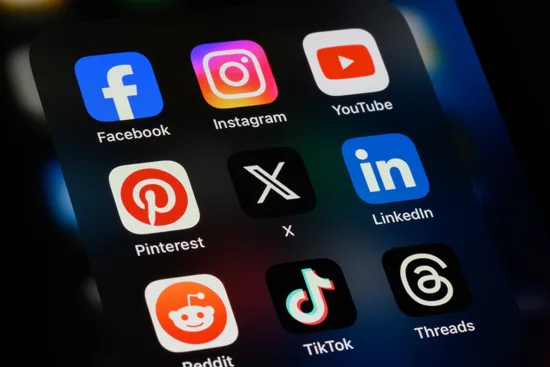
That consolidation lasted less than a decade. Now your prospects scatter across Reddit threads discussing supply chain issues, Wikipedia pages researching food safety standards, Instagram accounts following culinary trends, Pinterest boards collecting kitchen design inspiration, Quora answers about distribution logistics, Discord servers for restaurant operators, and dozens of emerging platforms you’ve never heard of. The media landscape didn’t just fragment—it atomized.
For foodservice B2B marketers working with limited budgets, this creates an impossible math problem. You can’t afford to maintain meaningful presence across fifteen platforms. But you also can’t afford to guess wrong about where your next regional distributor partnership or national account will first encounter your brand. While enterprise competitors staff entire teams to cover every channel, you’re trying to figure out whether that $3,000 monthly budget should go toward LinkedIn ads, Reddit community engagement, or something else entirely.
The uncomfortable truth is that chasing eyeballs across platforms is the wrong strategy for small-budget B2B marketers. You’ll always be outspent, out-posted, and out-staffed by larger competitors who can afford to be everywhere. Instead, the solution is to make sure that when prospects look for you—regardless of where they’re looking—they find you first.
This means shifting from distribution thinking to gravity thinking. Rather than pushing your message out to where you hope prospects might be, create content and web presence so valuable and authoritative that it pulls prospects to you no matter which platform sparked their initial search. When a restaurant procurement director Googles “commercial bakery clean label solutions” from a Reddit thread or asks ChatGPT for recommendations while browsing Instagram, your content becomes the answer that appears. You’re not choosing between platforms—you’re becoming the destination all platforms point toward.
This is exactly why companies investing in Generative Engine Optimization and comprehensive content strategies are winning despite smaller marketing budgets. They’re not trying to maintain presence in fifty places. They’re ensuring that AI engines, search platforms, and even social media algorithms recognize them as the authoritative source for specific problems. One well-structured website with clear expertise signals beats scattered presence across a dozen platforms.
The foodservice companies succeeding with limited budgets aren’t asking “which platform should we prioritize?” They’re asking, “how do we become so clearly the expert in our category that prospects find us no matter where they start looking?” The eyeballs are everywhere now, but the answers they’re seeking still need to come from somewhere specific.
The question isn’t where your prospects spend their time. It’s whether your digital presence is strong enough to capture them when they’re ready to buy, regardless of which platform they happened to be using when that readiness hit.