Why food and beverage brands should take foodservice seriously
Most food and beverage brands treat retail as the finish line. Get on a shelf at Whole Foods or land a regional chain, and you’ve made it. Foodservice, if it comes up at all, gets dismissed as too complicated, too low-margin, or a problem for bigger companies to worry about.
That thinking is costing brands real money.
Foodservice, which includes restaurants, cafeterias, hotels, hospitals, K-12, universities, and any outlet that prepares food for immediate consumption, is a massive market. But beyond its size, it offers something retail often can’t: a path to profitable, steady revenue without the endless cycle of promotions, BOGOs, and demos that eat into your margins before you’ve even paid your broker.
I had a chance to talk with my friend Ed Zimmerman, founder of The Food Connector, a marketing agency that specializes exclusively in foodservice. Ed and I go way back to our bakery industry days in the 1980s when we first became friends, although technically we were competitors, too. Ed managed Ms. Desserts while my wife and I made Rachel’s Brownies.
Ed has spent decades helping brands navigate this channel, and his perspective is a useful reality check for any brand that thinks too narrowly about where its products can go.
The Retail Trap Nobody Talks About
Here is the uncomfortable truth about retail: you’re not just selling to consumers. You’re selling to the retailer first. That means slotting fees, promotional calendars, scanning allowances, and constant pressure to fund in-store events. Your trade spend can easily run 20 to 30 percent of revenue before you’ve moved a single unit off the shelf.
Of course, the consumer has to take the product off the shelf, but the retailer owns the real estate, and you sell through them. The consumer buys one unit (jar, box, or bottle) at a time.
Foodservice doesn’t work that way.
When you sell through foodservice, you’re typically dealing with a distributor and an operator. The economics, expectations, and cost of doing business are fundamentally different.
As Ed puts it:
“Retail is a great brand builder, but foodservice is often where brands actually make money. The trade investment is much lower, the volume can be very predictable, and once you’ve earned a spot on a menu or in a kitchen, operators tend to stay loyal. It’s not as flashy as a Target endcap, but the P&L often looks a lot better.” Ed Zimmerman – The Food Connector
Manufacturing Efficiency: The Argument Most Brands Miss
One of the strongest cases for foodservice has nothing to do with sales strategy. It’s about your production line.
Most food manufacturers run their facilities below full capacity at various points in the year. Retail demand is lumpy, seasonal, and hard to predict. That means you’re paying for equipment, labor, and overhead even when the orders aren’t there.
Foodservice volume can help fill those gaps. If you’re producing for a regional restaurant chain or a university dining program, that’s a known, repeatable order that you can plan around. It’s not glamorous, but it makes your manufacturing economics work a lot harder.
Ed sees this pattern repeatedly with emerging brands.
“A lot of our clients come to foodservice thinking it’s a sales problem. But once they’re in it, they realize it’s also a manufacturing solution. When you have a foodservice customer ordering 500 cases every two weeks like clockwork, your production team can plan. That predictability has a real dollar value.” Ed Zimmerman – The Food Connector
For co-manufacturers and contract packers, this argument is especially compelling. Every hour your line sits idle is money you can’t get back. Foodservice volume, even at tighter per-unit margins, can generate a contribution that covers your fixed costs and keeps your team employed.
Counterbalancing Seasonality: A Strategy, Not a Fallback
Seasonality is a real problem for many food and beverage categories. Ice cream is the obvious example. The bulk of retail volume happens from Memorial Day to Labor Day. Beverage brands see the same thing. Energy drinks, iced teas, lemonades, and functional waters all spike in warmer months and slow down in the fall and winter.
Foodservice can even that out.
A hot beverage program on a college campus runs year-round. A dessert offering at a casual dining chain doesn’t disappear when the temperature drops. Institutional buyers, hospitals, corporate cafeterias, and schools have consistent, year-round demand that doesn’t follow the same seasonal curve as grocery retail.
Ed makes this point directly:
“Think of a better-for-you ice cream brand that is killing it at retail in the summer but struggling to maintain volume in the fall. If they get into a handful of college dining programs, the whole revenue picture changes. All of a sudden, they had a base volume they could count on, and the summer retail spikes became upside-down instead of a lifeline.” Ed Zimmerman – The Food Connector
This is a smarter way to think about your brand’s revenue architecture. Instead of riding a seasonal rollercoaster, you build a base of predictable foodservice volume and let retail layered on top become the performance variable.
Common Channels and Where to Start
Foodservice is not one channel.
It’s a category that includes everything from fine dining to vending machines, and each segment has different needs, different distributors, and different buying processes. The key is to identify where your product fits naturally and work from there.
Some starting points worth considering:
- College and university dining: Large, consistent volume, strong interest in better-for-you and mission-driven brands, and a student population that becomes your future retail consumer.
- Healthcare and hospital dining: Heavy emphasis on nutrition and ingredient transparency. A strong fit for functional, clean-label, and better-for-you products.
- Casual and fast casual restaurants: Higher margin potential, strong brand exposure, but longer sales cycles and significant competition.
- Corporate cafeterias and workplace dining: Often overlooked, but decision-makers are accessible, and volume can be surprisingly large.
“The mistake brands make is trying to go after everything at once. Pick a foodservice segment that makes sense for your product, find the right distributor partner who knows that segment, and go deep before you go wide. Foodservice rewards focus.” Ed Zimmerman – The Food Connector
Three Pieces of Advice Before You Start
If you’re a food or beverage brand that’s been focused on retail and you’re considering foodservice for the first time, here’s what to keep in mind.
- Don’t let perfect packaging be the enemy of a good sale.
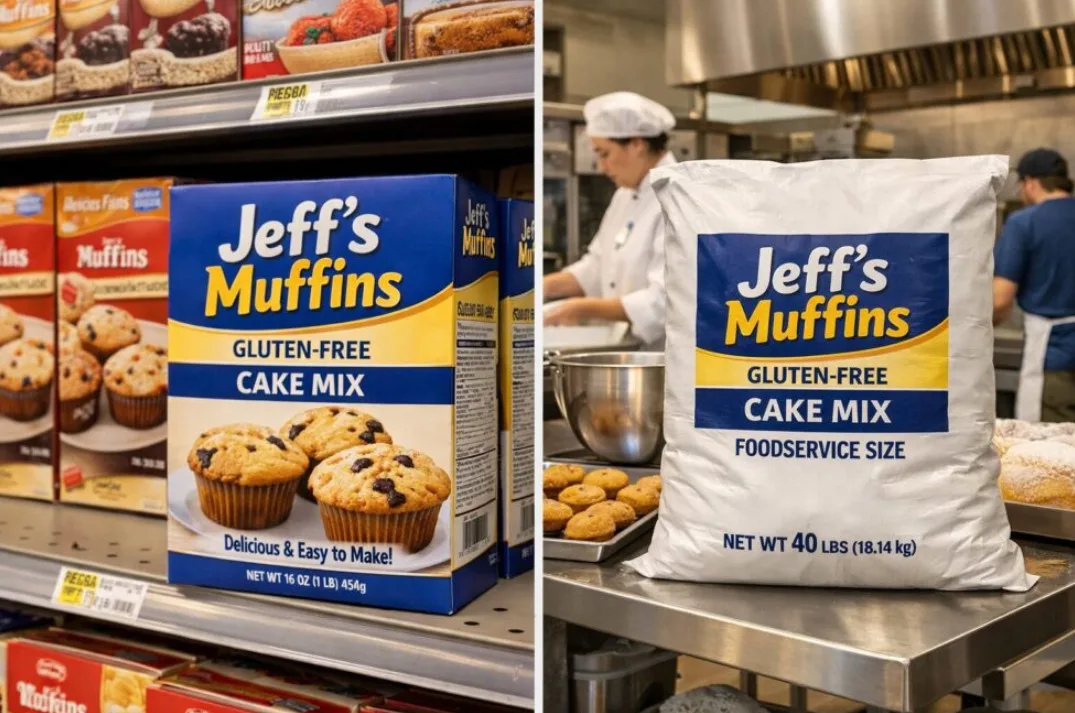
Foodservice customers don’t care about your retail packaging. They care about specs, pack sizes, shelf life, and whether your product performs in a kitchen or a serving line. Be ready to offer foodservice-specific SKUs or bulk configurations. The operator doesn’t need the pretty box. They need the product to work.
- Understand the distributor’s role.
In retail, you often deal with buyers directly or through brokers who have relationships with category managers. In foodservice, distributors like Sysco, US Foods, and regional players are the gatekeepers. You need to understand how they work, how products get listed, and what kind of support they expect from the brands they carry. Don’t assume the retail playbook applies here.
- Build for the long game.
Foodservice sales cycles are long. Getting from a first meeting to a menu placement to a standing order can take six to eighteen months. The payoff is stability and loyalty, but you need to be patient and resourced for the process. Brands that walk away too early because deals aren’t closing quickly are leaving long-term, profitable revenue on the table.
The Bottom Line
Retail will always be important for building consumer brand recognition. But if your entire go-to-market strategy lives in the grocery aisle, you’re taking on unnecessary risk and leaving money on the table.
Foodservice won’t eliminate the challenges of building a food brand. But for the right product in the right segment, it can fill your manufacturing capacity, smooth out your seasonal peaks and valleys, and generate the kind of clean, predictable revenue that lets you grow on your own terms instead of the retailer’s.
That’s not a fallback strategy. That’s a smart business plan.