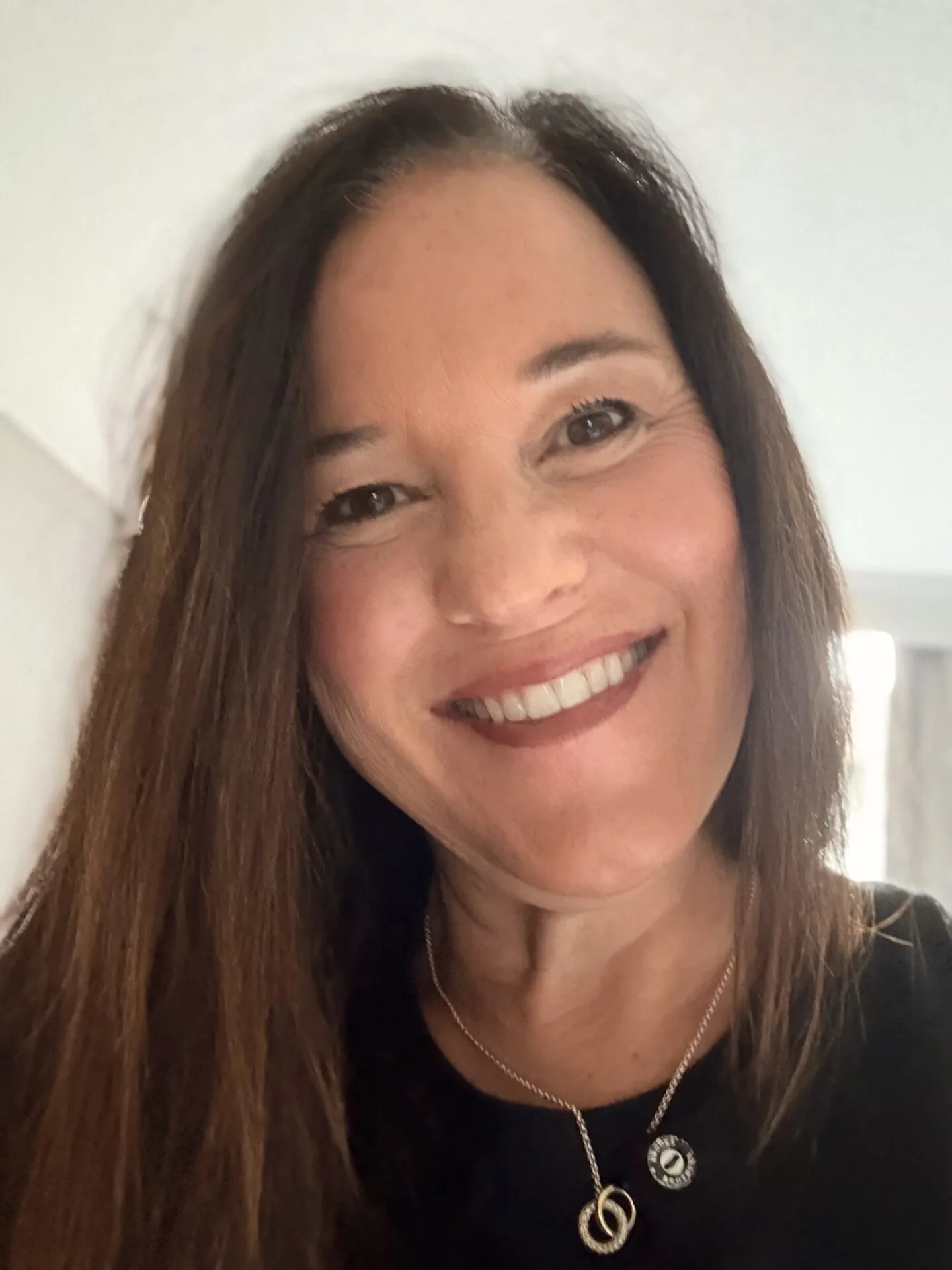
Some people find their way into the food industry. Laurie Neff was born into it. Her father, Nicholas Neff, was a broker and sold food for a living. As a child, she stickered point-of-sale displays and helped Dad prep for sales meetings before she was old enough to understand what a broker actually did. When it came time to choose a career, she told me it never occurred to her to do anything else. It was a natural continuation.
Neff recently stepped into the role of Chief Revenue Officer at Tulkoff Foods, the Baltimore-based manufacturer of condiments, specialty sauces and ingredients that has spent a century building relationships across foodservice, retail, co-pack and private label channels. It’s the newest stop in a career that has taken her through Basic American Foods, Campbell Soup, SupHerb Farms, Griffith Foods and, most recently, Senior Vice President of Sales at Lakeside Foods.
A Sales Legacy, Inherited Early
Neff’s father worked as a broker for decades, eventually retiring from a national foodservice distributor before coming back to work another decade-plus at a regional meat company. Growing up around that world gave her something a business degree can’t replicate: an early, instinctive fluency in how the sales side of the food industry actually works.
“It’s quilted into the fabric of who I am,” she told me. “I literally don’t know who I would be without this industry.”
The Privilege of Food Selection
Ask Neff how she thinks about marketing and she’ll tell you it starts with a simple fact: food customers regenerate roughly every three hours. Unlike shampoo or a pair of shoes, a food decision can’t be put off. That relentless frequency, she argues, is what makes food marketing fundamentally different from every other consumer category — and it’s why she tries to stay a step ahead of where consumer needs are heading rather than reacting to them.
That thinking extends into something she cares about deeply: the privilege embedded in food choice itself. Having spent time on mission trips in Haiti and the Dominican Republic, she’s seen firsthand what it means to have no choice at all in what you eat. That perspective shapes how she thinks about the responsibility that comes with an industry built to feed people — and why, for her, that responsibility should never be taken lightly.
The Risk of Staying Too Long
Neff isn’t, by her own account, a big risk-taker. But she points to one decision as the exception: leaving Basic American Foods after building her entire foundation there. It was comfortable, she admits, and walking away from that comfort to keep growing was genuinely scary. She made the decision because one thought returned in her mind:
She felt that moving on allowed her to tackle bigger things and make more impact in the industry.
A People Business, Forever
When I asked what advice she’d give someone entering the industry, Neff didn’t hesitate:
She’s watched an entire career validate the idea — that in an industry this small, where everyone eventually circles back around, reputation is the only currency that compounds. Food has been, is, and will always be a people business, she told me. Forever.
She’s also watched the industry itself transform, largely for the better. What used to be a handful of cooking shows and a few celebrity chefs is now woven into everyday culture, with consolidation among distributors and brokers and disruptive new brands all trailing behind a consumer who eats out, and thinks about food, more than ever before.
Through it all, Neff’s compass hasn’t moved much: stay humble, do what you said you’d do, and remember what a privilege it is to be in the business of feeding people at all. It’s advice worth carrying into any new chapter — and a good one to watch unfold at Tulkoff.