Earthquakes come with loud rumblings, power outages, fire and aftershocks. The number two pizza brand, Pizza Hut, owned by Yum Brands, sold to private equity firm, LongRange Capital, for $1.5 billion. The sale was a big headline, but not a big surprise, just another iconic brand slowly disintegrating. LongRange doesn’t own any other food brands, so this is a new segment for them. They do, ironically, own 24-Hour Fitness.
In the past twenty years, the pizza segment has transitioned from dominant dine-in to primarily delivery and carry-out. Pizza Hut, with its iconic red roofs, has struggled to communicate to customers, whether it is primarily a delivery/carryout brand, like Domino’s, or a dine-in chain with a nostalgic twist?
The Stats
Pizza Hut’s decline have been well-documented:
- Fiscal year 2025, same-store sales declined 5% and systemwide sales dropped 8%
- Q1 2026, same-store sales fell 4% and systemwide sales were down 6%
- Pizza Hut reached its peak U.S. footprint in the mid-1990s with roughly 7,500 locations and about one-quarter of the U.S. pizza market.
- The chain remained above 7,000 units through much of the 2000s.
- Beginning in the 2010s, Pizza Hut accelerated the closure of older dine-in restaurants and shifted toward delivery/carryout formats.
- By 2025, the U.S. system had fallen to about 6,474 restaurants, down more than 1,000 units from its peak.
- Estimated Store Counts
1995 ~7,500
2000 ~7,200
2005 ~7,100
2010 ~7,000
2015 ~6,400
2020 ~6,700
2025 ~6,500
The Why
Americans love pizza, it’s been the second biggest segment, behind burgers for decades. To be fair, pizza has lost its second position to Mexican and chicken concepts. This consumer trend has affected all pizzerias, but within the pizza segment, Pizza Hut has had the biggest fall. They were the number one chain for years and in 2017, lost that position to Domino’s.
Yes, they struggled with dine-in or carry out, but there is a bigger reason – quality!
The proliferation of pizza started after WWII, as American soldiers returned from Europe and Italy, exposed to pizza. Many, especially of Italian heritage, opened pizza shops. Pizza Hut, started in Wichita, Kansas, and introduced Midwesterners to the fabled food. They grew like crazy and became the largest chain in the country.
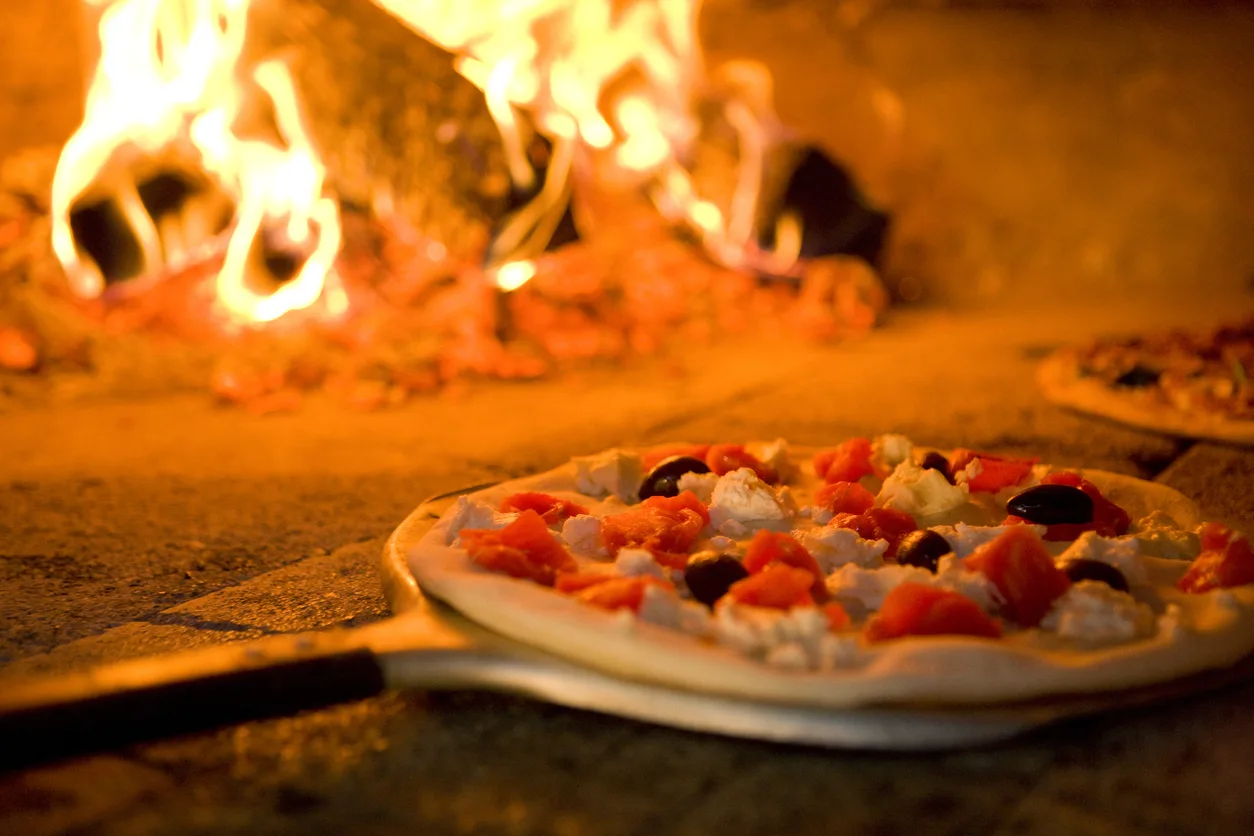
As pizza has evolved, independents have pushed the craft and added premium toppings, wood-fired ovens and a damn good story. No longer just the cheapest way to feed a family of four, pizza has become a gourmet experience. Pizza Hut couldn’t compete with that product or that story.
Aftershocks
This trend will continue and the other Big Three pizza chains will have their own day of reckoning. LongRange Capital, with a lower base price on their investment, will be able to financially engineer a profit while they manage the decline.
This is the moment for quality focused pizza operators to win and gain market share. Food manufactures and distributors must up the quality of their offerings. The days of just selling the cheapest ingredients to lower food cost are over. I’ll bet Pizza Hut had a great food cost percentage; it didn’t save them.
Quality oriented pizza operators need to look beyond shopping for the best deal and seek better quality ingredients that consumers now recognize. Quality wins every time and those that market a better experience will build their local market share. As a pizza snob, I’m rooting for them!!