Over 40 years in this business, I’ve watched consumers make trade-offs every time the economy tightens. This fall, the trade-off looks different from anything I’ve seen before.
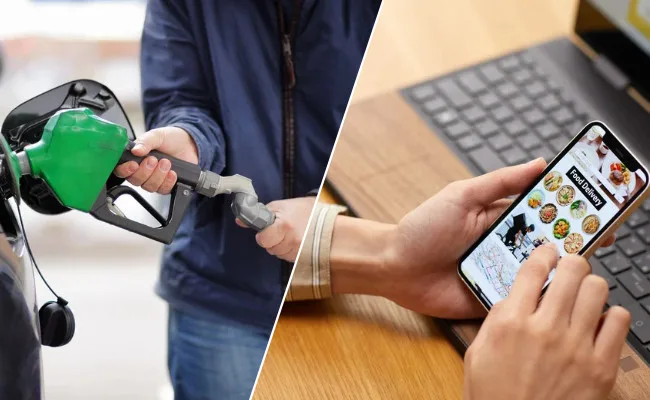
Start at the pump. The national average for regular gas is around $4.36 a gallon, more than a dollar higher than a year ago. This is the first October on record that it has been above $4. For a family with two cars and two commutes, that’s real money leaving the household budget every week, before anyone has thought about dinner.
You’d expect restaurants to be the first casualty, and in some ways they are. The National Restaurant Association projects industry sales of $1.55 trillion this year, up 4.8%. Strip out menu price increases, though, and real growth is closer to 1.3%. More than six in ten operators reported lower traffic last year. Quick-service visits fell 4.4% in May, the worst month of the year so far. Many operators are holding their sales numbers by charging more, not by seeing more guests. That’s not a sustainable recipe.
So yes, consumers are cutting back. But the headlines miss something: families aren’t just short on cash. They’re short on time.
Technomic makes a point I think deserves more attention. Households with children are more likely to eat out than households without them, regardless of income. Think about why. Two working parents, soccer practice at 5:30, homework, a commute that just got more expensive. When it’s 6:15 and nobody has a plan, the math stops being about dollars per meal and starts being about minutes. Time is the scarcer currency, and families are spending money to buy it back.
That’s where DoorDash and Uber Eats have quietly changed the equation. DoorDash’s orders grew 27% year over year in the second quarter, to 970 million. Uber’s delivery gross bookings rose 28% in the first quarter. Those aren’t the numbers of a consumer in retreat. There’s an interesting twist, too: with gas over $4, some households may see delivery not as an indulgence but as a way to skip the drive altogether. Pay the fee, save the trip, save the hour.
For operators, that’s a mixed blessing. Delivery keeps the kitchen busy, but platform commissions eat into already thin margins. And the guest who never walks through the door never sees your dessert case, hears your server’s recommendation, or signs up for your loyalty program. Volume without a relationship is a fragile thing.
So what should foodservice leaders take from all this?
First, stop reading sales as a proxy for health. Watch traffic, frequency, and channel mix.
Second, recognize that value is no longer just about price. A family-sized bundle ready in ten minutes at the curb may beat a cheaper item that requires a sit-down meal.
Third, own your off-premise relationship. If third-party apps are where your customers are, make sure your own ordering channel and loyalty program give them a reason to come to you directly.
Consumers will keep filling their tanks because they have to. Whether they keep filling their tables, or their doorsteps, with your food depends on how well you understand what they’re really short on.
I’d like to hear from operators and suppliers: are you seeing the time-versus-money trade-off in your own numbers? Let’s compare notes.
The data behind the draft:
AAA put the national average at $4.36 on October 8, versus $3.12 a year earlier, and said this is the first year it has topped $4 in October. Restaurant sales are projected at roughly $1.55 trillion, up 4.8%, but real growth after menu-price increases is only about 1.3%, and 60% of operators reported decreased traffic last year. Placer.ai data showed fast-food traffic down 4.4% in May 2026, its worst month of the year at that point. Technomic noted that consumers squeezed at the gas pump are pushing back on menu prices, and that households with children are more likely to eat out regardless of income. DoorDash’s Q2 orders rose 27% to 970 million, and Uber’s delivery gross bookings grew 28% in Q1; eMarketer suggested rising gas prices may make delivery more appealing as people avoid driving to stores and restaurants. Today’s AAA National Average $4.3612 +6